Business Waste Removal in Hampstead
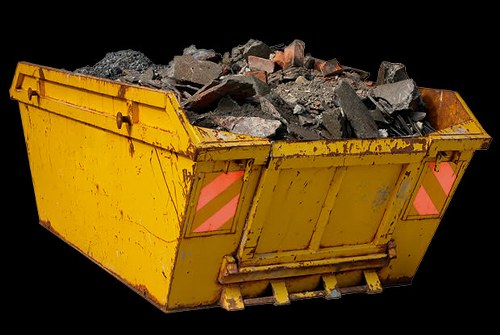
Business waste removal in Hampstead should be practical, discreet and organised around the way your premises actually operate. Our service covers the collection and clearance of everyday commercial refuse, bulky office items, mixed recyclables and other non-hazardous materials that businesses need taken away without disrupting staff, customers or neighbours. We work with a straightforward aim: remove waste in a tidy way and leave the site ready for the next step.
For many organisations, the best service is not a one-size-fits-all collection but a planned clear-out that matches the amount and type of waste on site. That may mean routine business waste removal for ongoing commercial premises, or a focused visit for a larger build-up after an office move, stock refresh or end-of-tenancy change. We can support jobs where access is tight, where items need sorting, or where a careful approach is needed around shared entrances and loading points.
Alongside removal itself, we also help customers make sensible decisions about what should be separated, what can be loaded together and what needs special handling. If you want a clear starting point, pricing and quotes can help you think through the scope before you request a quotation, while book online is available for customers who already know what needs collecting and would like to move things forward quickly.
Commercial waste collections for different workplaces
Every workplace produces waste in a slightly different pattern. An office may have packaging, paper, broken furniture and redundant equipment; a shop might need display materials, shelving offcuts or stock-related packaging removed; a small workspace may simply need regular collection of bagged refuse and occasional bulky items. Our role is to remove those materials efficiently while keeping the process clear and manageable for the people on site.
We also support businesses that need a careful, mixed-load clearance rather than a narrow single-item collection. Where suitable, items can be grouped so the visit is organised around what is most convenient to move first. If your project involves confidential papers or sensitive records, our confidential shredding page covers a more specific document-focused service that may suit businesses looking to dispose of paperwork securely.
What can usually be included
Typical commercial waste can include desk and storage furniture, general rubbish from refurbishments, cardboard, archived but non-sensitive materials, packaging, office fixtures and some electrical items. A sensible approach is to list the main categories rather than every individual object, especially when a room contains mixed contents. If the collection also includes furniture that has seen better days, our furniture disposal service may be useful for pieces that are being removed as part of a broader clear-out.
Office waste removal and workspace clearances

Office waste removal usually needs a balance of tidiness, timing and access planning. Desks, chairs, filing units, monitors, pedestals and partitions all take different handling, and waste bags or loose packing material often need sorting around them. We work with the practical side of that process by removing items in a way that keeps walkways usable and minimises unnecessary clutter while the job is underway.
In many offices, the biggest decision is whether the clearance should happen in stages or in one visit. Staged removals can suit occupied premises, while a more complete sweep may be better when a floor is being emptied for handover or reconfiguration. If your site contains large volumes of old office furniture, the office clearance page is a relevant place to see how a more complete workspace clearance is handled. For general collections that are not office-specific, waste removal remains the broader option.
There are also times when an office clearance is really part of a wider move or reset. In those cases, it is worth separating items into keep, reuse, recycle and remove categories before the visit so the collection runs more smoothly. A simple written list is often enough. If you want to talk through a larger mixed project, the clearer the outline, the easier it is to plan the load and avoid unnecessary back-and-forth on the day.
Furniture, fixtures and bulky item disposal
Bulky items often create the most difficult part of a commercial clearance because they take up space, obstruct exits or need two-person handling. Desks, reception seating, cupboards, shelving, counters and storage units can all be moved as part of a managed clearance, provided they are described accurately in advance. Our focus is on removing these items cleanly and with enough planning that the rest of the premises can continue to function sensibly.
Where suitable, furniture can be grouped with packaging, broken fittings or other non-hazardous waste from the same project. That makes it easier to clear a room in one visit rather than treating every item as a separate task. For larger domestic-style items that are leaving business premises, the furniture clearance page may be relevant, while the specific mattress and sofa disposal service can help when seating or soft furnishings are the main concern.
- single heavy pieces removed as part of a wider site clearance
- multiple matching items from an office, shop or storage room
- mixed contents that include furniture, loose waste and packaging
- clearances where access, loading order or timing needs thought
If you are not sure whether an item should be treated as furniture disposal or general waste, it is usually enough to describe the object, approximate size and where it is located. That practical detail helps shape the removal plan without overcomplicating the enquiry. For customers who want a broader view of services and how jobs are structured, the about us page can sit alongside the service information rather than replacing it.
Clearances for homes, flats and mixed premises

Although the main focus here is business waste removal, some customers need a service that crosses over between commercial and residential-style premises. That can happen with converted buildings, mixed-use properties, landlord-managed units or small workspaces above shops. In those situations, the clearance may include household-style objects as well as office or trade waste, so it helps to have one team handle the whole load in a single organised visit.
Where the contents are more domestic than commercial, our home clearance and flat clearance pages describe related options. For lofts, garages or storage areas attached to business premises, the relevant route may be a specialist loft clearance or garage clearance, depending on where the items are stored and how they need to be removed. The important point is to match the service to the actual contents rather than forcing everything into one category.
Business owners often find that mixed premises hold a surprising amount of redundant material: old display stock, archive boxes, spare chairs, cleaning materials, broken appliances and packaging from previous deliveries. A sensible clearance sorts those items into what can be removed, what should be retained and what may need a separate treatment. That makes the result more useful than simply shifting everything out of sight.
Appliances, recycling and responsible disposal
Some business clearances include appliances or recyclable material that need a more specific route than general rubbish. Fridges, freezers, beverage coolers and similar items can be awkward to move and should be assessed carefully before collection. If your premises need those items removed, fridge and appliance removal is the dedicated service page to review, while the broader business waste visit can still cover the rest of the load.
Recycling is often easiest when a job is planned with separation in mind. Cardboard, certain metals, reusable furniture components and some clean packaging materials may be set aside before the visit, which can make the clearance neater and more efficient. If you want to understand the company’s approach to sorting and diversion, recycling and sustainability gives a fuller explanation of how material choices can be handled in a structured way.
When recycling becomes part of the job
In practice, many business clearances involve a mix of items rather than a single waste stream. One area may contain flattened packaging, another old shelving, and another bags of general waste. Combining those into a sensible loading plan can help the collection progress without unnecessary handling. If you also need to know what kinds of material are acceptable in a skip-style arrangement, the what can go in a skip page provides a useful comparison point.
About Hampstead
Hampstead is an area in north London with a long association with steep streets, village-like squares and cultural life around Hampstead Heath. The Heath itself is one of the district’s defining features: a large, open expanse of parkland and woodland that offers walking routes, ponds, wide views over the city and a strong sense of contrast with the surrounding urban neighbourhoods. The land rises towards Parliament Hill, a well-known vantage point that has become closely associated with panorama views across London. Beyond the heath, Hampstead includes Georgian and Victorian terraces, independent shops and quieter residential streets that reflect its growth during the 18th and 19th centuries, when the area became established as a place of retreat from the crowded city. The district also contains a notable mix of architecture, from older cottages and villas to later mansion blocks and carefully preserved town houses. Cultural landmarks include the historic Keats House, linked to the poet John Keats, and the Everyman cinema, both of which contribute to the area’s long-standing artistic reputation. Hampstead Underground station and the broader transport links connect the district to the rest of the capital, yet the neighbourhood retains a distinct character shaped by its hillside setting, its green spaces and its concentration of period buildings. The result is a place that feels layered rather than uniform, with residential streets, civic landmarks and open land all close together.
Site planning and practical collection details
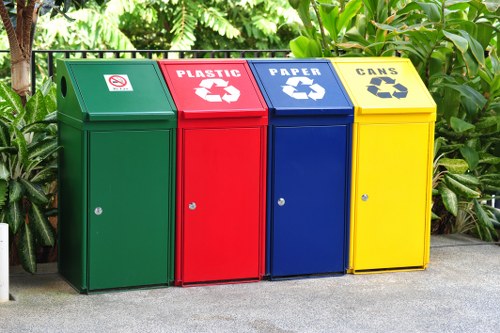
Most collections run more smoothly when the main details are prepared in one place before the visit. That does not mean a long checklist; usually it is enough to note the type of waste, the approximate volume, how the items are stored and whether there are any access limits such as stairs, narrow corridors or limited loading space. These are the factors that affect how the work is organised and what equipment or timing may be suitable.
If a premises has several levels or shared areas, it can help to indicate where the waste starts and whether anything needs to be separated beforehand. For some clients, a quick photograph or short room list is enough to avoid uncertainty. For others, especially where there is furniture mixed with bagged rubbish, the clearest option is to walk through the main areas and decide what stays and what goes. That simple planning step often makes the collection feel more orderly on the day.
When you want a straightforward next step, you can request a quotation once you know the main items. If you are still deciding how to structure the job, the service pages above can help you compare a general collection with a more specific clearance type before you get in touch.
Choosing the right waste service for your premises
Not every clearance needs the same scope. A business premises may only need a one-off removal of surplus items, while another may require a more detailed clear-out of fixtures, appliances and mixed rubbish. The right choice depends on the contents, the layout and how much sorting you want to do beforehand. That is why a service-led approach tends to be more useful than describing everything as one general waste job.
For businesses with more than one kind of material on site, it often helps to separate the job into service groups before arranging collection. For example, papers can sit with confidential shredding, furniture with furniture disposal, appliances with dedicated removal, and general mixed waste with the main business collection. If you would like a quick route into the booking process, contact us is the most direct final step when you are ready to discuss the items and timings.
Request a quotation today if you want a clearer idea of the best service for your premises and the waste you need taken away. A concise description of the items is usually enough to begin.
How commercial waste removal supports a tidy working environment
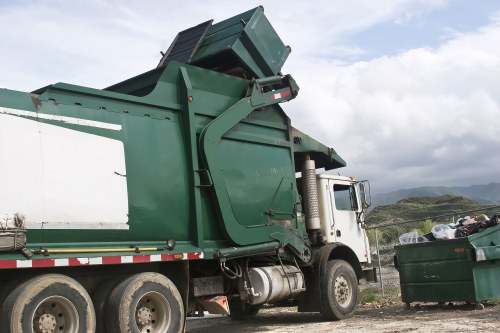
A well-managed clearance does more than take things away. It helps restore usable floor space, keeps corridors clearer and makes it easier for staff to carry on with ordinary work while the removal is arranged around the premises. For occupied buildings, that practical benefit matters as much as the waste itself, because clutter can quickly affect storage, presentation and daily movement.
Commercial waste removal is also useful when a business is changing how it uses space. A room may be moving from storage to workstations, a back office may be being emptied for another purpose, or a front-of-house area may need old fittings removed before new ones are installed. In those cases, the waste collection becomes part of a larger reset rather than a simple tidy-up. The better the description of the items, the easier it is to match the visit to the task.
If you are preparing a quotation request, keep it focused on what is present rather than trying to second-guess the entire job. The main categories, access notes and any special handling points are usually enough. From there, a clear plan can be built around the waste, the available space and the most suitable service route for your premises. When you are ready, ask for a quotation and we can take it from there.